


What Could Go Wrong? The Challenges Farmers Face from Spring to Early Summer
Spring and early summer are often painted as the sweet spot of the growing season—lush fields, budding trees, and the promise of a strong harvest ahead. But ask any farmer, and you’ll hear a different story. Beneath the green rows and warm sunshine lies a season full of risk, pressure, and constant decision-making.
1. Heat Stress Takes a Toll on Crops
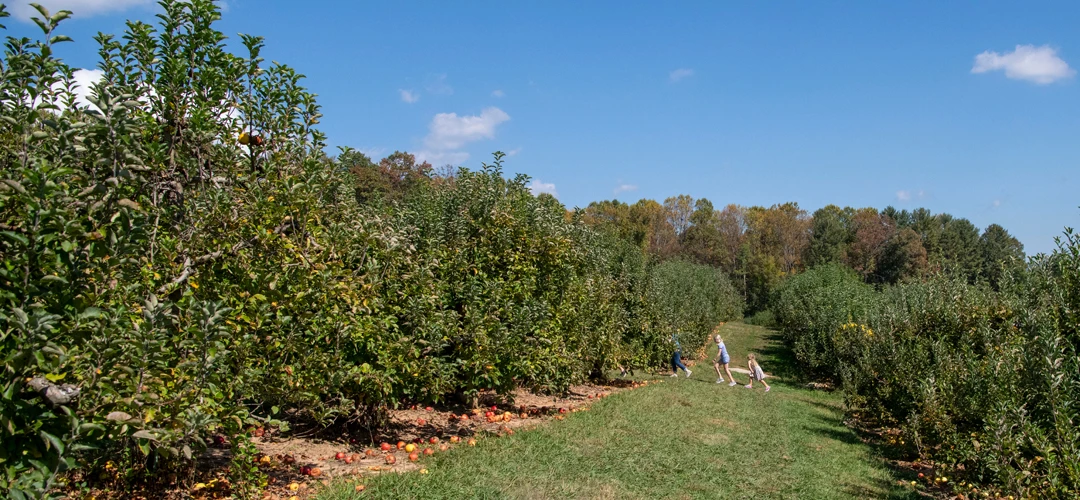
As temperatures climb into early summer, crops can begin to struggle. Prolonged heat can slow plant growth, reduce fruit development, and more that directly impacting yield.
For apple growers in particular, extreme heat can affect fruit size, color development, and overall quality. Sunburn on apples is another real concern, leaving fruit damaged and unmarketable.
Heat also increases the demand for water at a time when it may already be limited. Without careful management, crops can become stressed, and recovery isn’t always guaranteed.
2. Water Worries: Too Little, Too Much, Too Late
Water management becomes a daily balancing act as the season progresses. Too little rain, and crops struggle to survive. Too much, and fields can become waterlogged, increasing disease pressure.
Drought conditions in spring can be especially challenging, particularly for young trees. With less established root systems, they struggle to access water deep in the soil, making them far more susceptible to stress and long-term damage. What we’re seeing now in many areas is exactly that: dry conditions putting early pressure on crops before they’ve had a chance to fully establish.
Even when irrigation is available, timing matters. Overwatering can waste resources and wash away valuable nutrients, while underwatering can stunt growth at a critical stage.
3. Summer Storms and Rain Challenges
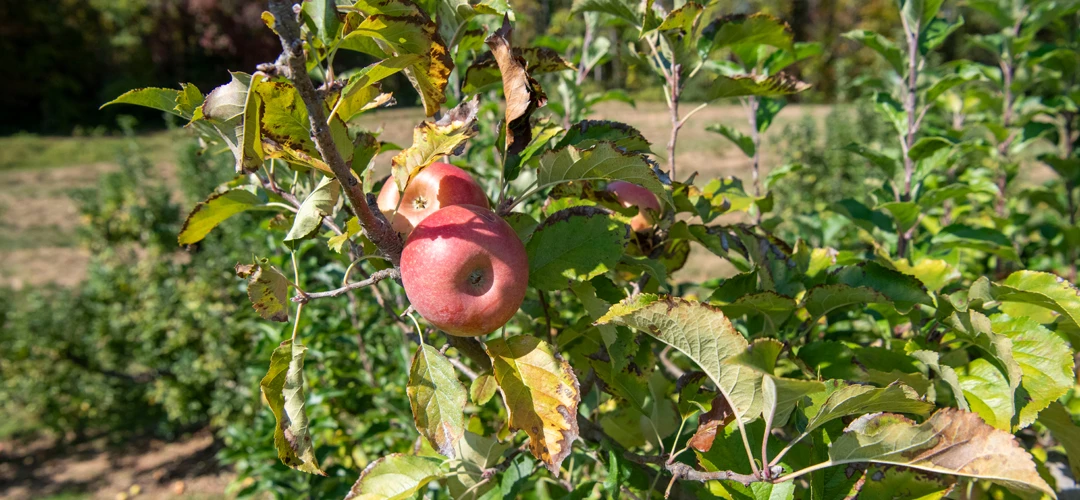
Summer introduces another layer of unpredictability. Hail storms can cause immediate and severe damage to crops, bruising fruit and destroying plants in minutes.
Rainfall can be just as problematic. Too much rain creates the perfect environment for disease in orchards, especially fungal issues that thrive in warm, wet conditions. On the flip side, drought during summer can reduce fruit size and overall yield.
Rain extremes also affect planting schedules for seasonal crops like pumpkins and flowers. Fields that are too wet can delay planting entirely, while overly dry soil can prevent seeds from establishing properly.
4. Pests and Diseases Wake Up
Warm weather doesn’t just benefit crops—it’s prime time for pests and pathogens. Insects reproduce faster, weeds compete more aggressively, and fungal diseases thrive in humid conditions.
The challenge isn’t eliminating pests entirely (that’s neither realistic nor healthy for the ecosystem), but managing them effectively. Integrated pest management strategies emphasize monitoring, balance, and targeted action rather than blanket solutions.
Still, this time of year often feels like a race: spot the problem early or risk losing part of your crop.
5. Unpredictable Weather Throws Curveballs
Weather swings don’t stop after spring. Early summer can bring scorching heat one week and sudden storms the next. These shifts can disrupt growth, damage crops, and create ideal conditions for disease.
Higher than average temperatures over several days in early spring can cause trees to come out of dormancy too early. While this might seem like a good sign, it leaves blossoms vulnerable. If freezing temperatures return—as they often do—those blooms can be damaged or lost entirely, directly impacting fruit production for the season.
6. Soil Moisture and Nutrient Loss
As temperatures rise, soil dries out faster. This not only stresses plants but also affects nutrient availability. Dry soils can limit uptake, while heavy rains can wash nutrients away before plants can use them.
Maintaining soil health—through organic matter, cover crops, and careful irrigation—is extremely helpful during this time. Without it, even well-managed fields can underperform.
7. Rising Costs and Labor Demands
Spring through early summer is one of the busiest—and most expensive—times of year. Irrigation, pest control, fertilization, and constant monitoring all require time, energy, and money.
When conditions are tough, those costs rise quickly. In drought-affected areas, for example, farmers are already seeing higher production costs that may eventually impact food prices for consumers.
8. The Pressure of Timing
Perhaps the biggest challenge? Timing.
This stretch of the season is a make-or-break window. Miss the right moment to irrigate, protect against frost, spray, or plant, and the consequences can ripple through the rest of the year.
Farmers are constantly making high-stakes decisions with incomplete information—balancing weather forecasts, crop conditions, and market demands all at once.
The Bottom Line
Spring and early summer might look calm from the outside, but for farmers, they are seasons of vigilance. From early bloom risks and drought stress to heat, storms, and disease pressure, challenges stack up quickly.
And yet, this is where the resilience of farming shines.
Because despite everything that could go wrong, farmers show up every day—adjusting, adapting, and doing whatever it takes to keep their crops (and communities) growing.